


A mid taper fade with textured fringe is a men’s haircut with short, gradually tapered sides that start around temple height, and a longer, choppy top that falls forward over the forehead. It looks sharp without being severe, and it grows out better than most skin fades.
If you are bringing a photo to your barber, this guide explains what to look for in that photo, which words to use, how long to keep the fringe, and how to style it in under five minutes.
Textured Fringe and Mid Taper: Three Useful Views
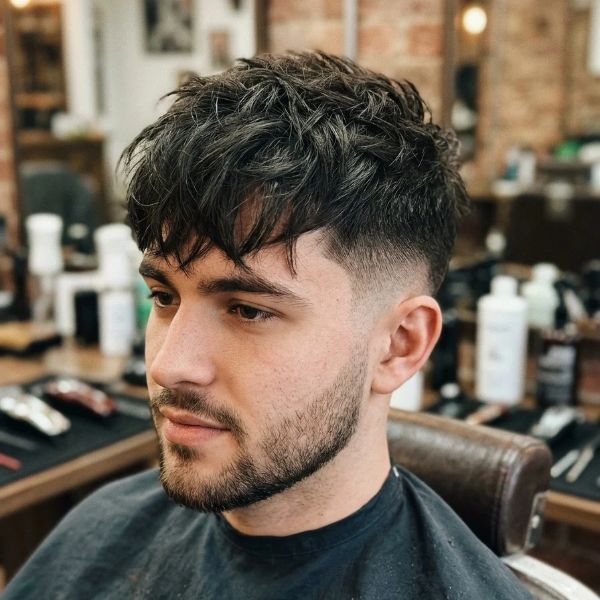
One photo is never enough for this cut. The fringe is cut from the front, but the taper is cut from the sides and back. A front-only selfie hides half the haircut.
Before your appointment, save three views:
- Front view: shows fringe length, how choppy the ends are, and where the hair sits on the forehead.
- Side view: shows where the taper starts, how fast it shortens, and whether the transition is soft or tight.
- Back view: shows the neckline, either tapered (natural) or blocked (sharp and square).
Suggested alt text for your own photos: “mid taper fade with textured fringe, front view,” “side view showing taper starting at the temple,” and “back view with tapered neckline.”
What “Textured Fringe” Actually Means

A textured fringe is the front section of the hair, brought forward so it breaks into uneven pieces instead of one straight line. Barbers create that broken edge with point cutting, slide cutting, or a razor.
It sits between two close cousins:
- Textured crop: short, choppy top, usually a little shorter overall.
- French crop: a blunter, heavier fringe cut straight across.
The textured fringe is the softer, more movable option of the three.
Compare your preferences first
Answer these four questions before you book:
- Do you want a soft or sharp finish? A taper is softer. A fade is sharper.
- How much time do you have each morning? Two minutes means a shorter, drier fringe. Ten minutes allows more shape.
- Is your workplace conservative? If yes, keep the fringe above the brow and the taper simple.
- Do you have a cowlick at the hairline? If yes, tell your barber so the fringe length can be planned around it.
Why Pair It with a Mid Taper?
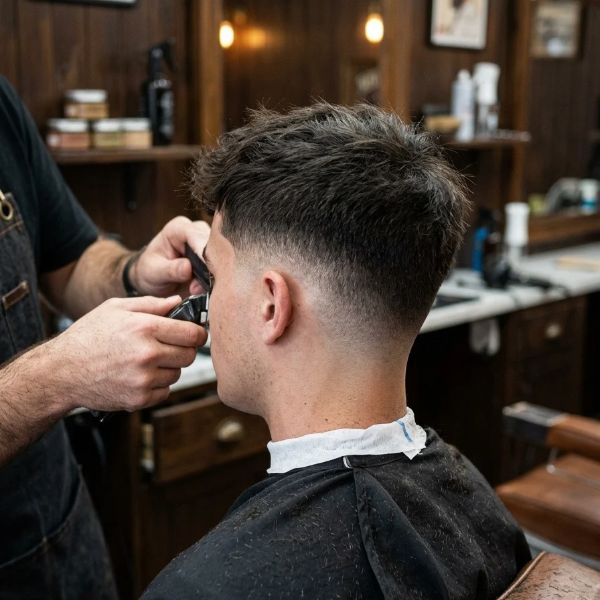
The mid taper is the middle ground. A low taper can look too subtle, and a high skin fade can feel aggressive. A mid taper gives you contrast without the harshness.
Here is what makes the pairing work:
- Balanced shape: the short sides push attention up to the texture on top.
- Cleaner ears and neckline: the shortest hair sits exactly where grooming shows most.
- Easier grow-out: a taper keeps more length than a skin fade, so it ages more gracefully between visits.
- Wide appeal: it suits office settings, gym routines, and weekends.
The taper starts around the temple, roughly level with the outer corner of your eyebrow, and gets shorter as it moves toward the ear and nape. It does not run up to the crown. If a page tells you otherwise, ignore it.
Length: How Much Fringe Do You Need?
| Part of the cut | Typical length |
|---|---|
| Top and fringe | 2 to 4 inches (5 to 10 cm) |
| Fringe edge | Mid-forehead to just above the brow |
| Taper transition | Around #3 or #4 guard |
| Shortest point (ears, neck) | #1 or #2 guard, or skin if you prefer |
A few rules of thumb:
- Round face: keep more height at the front and a slightly side-swept fringe.
- Long face: keep the fringe lower and the top a little shorter.
- Square face: a softer, broken fringe takes the edge off a strong jaw.
- Receding hairline: a longer, forward-textured fringe gives better coverage.
What to Ask Your Barber
Clear words prevent bad haircuts. Give your barber four things: the top length, the fringe, the amount of texture, and the sides.
Try this script:
- “I want a mid taper starting at the temple, going down to a #1 (or #2) at the bottom.”
- “Leave about three inches on top.”
- “Cut the fringe to just above my brow, point cut so it breaks up into pieces.”
- “Blend the taper into the top so there is no hard line.”
- “Finish the neckline tapered, not blocked.”
Show your three photos, then ask one question: “How will this behave with my hairline and growth pattern?” A good barber will answer honestly and may adjust the plan.
Read more: Mid Taper vs Low Taper: Differences, Height & Which to Choose
Three-Step Styling Routine
This takes about five minutes.
- Start with towel-dried hair. Apply a sea salt or texturizing spray to the fringe and roots. This adds grip and body.
- Blow-dry forward and up. Use medium heat and your fingers to lift the roots, then push the fringe down and slightly sideways.
- Finish with a matte product. Warm a pea-sized amount of clay, paste, or texturizing powder in your palms. Work it through the top with your fingertips, then pinch a few ends for separation.
Skip heavy gels and shiny pomades. They flatten the fringe and defeat the purpose of the texture.
Straight vs Wavy vs Thick Hair
The same haircut behaves differently depending on your hair.
Straight hair

Straight hair needs texture cut in by the barber, because it does not make its own. Ask for point cutting or slide cutting, and use a texturizing spray at home. A little volume at the roots stops it from falling flat.
Wavy hair
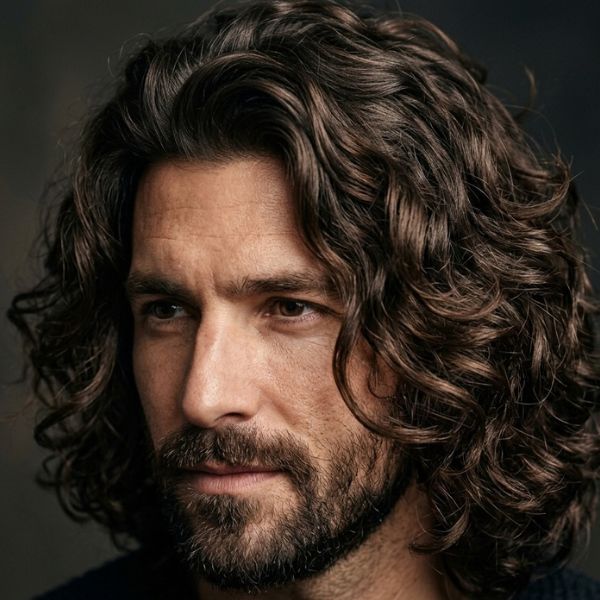
Wavy hair already has movement, so keep the top slightly longer, around three to four inches, so the wave can show. Use a curl cream on damp hair and air dry or use a diffuser for a relaxed, tousled finish.
Thick hair

Thick hair holds shape well but can look heavy. Ask your barber to remove weight from inside the top, not just the ends, so the fringe moves instead of sitting like a block. A strong paste or clay keeps it controlled through the day.
Read more; Burst Fade vs Taper Fade: Differences, Maintenance & Which to Choose
Maintenance and the Blunt-Line Problem
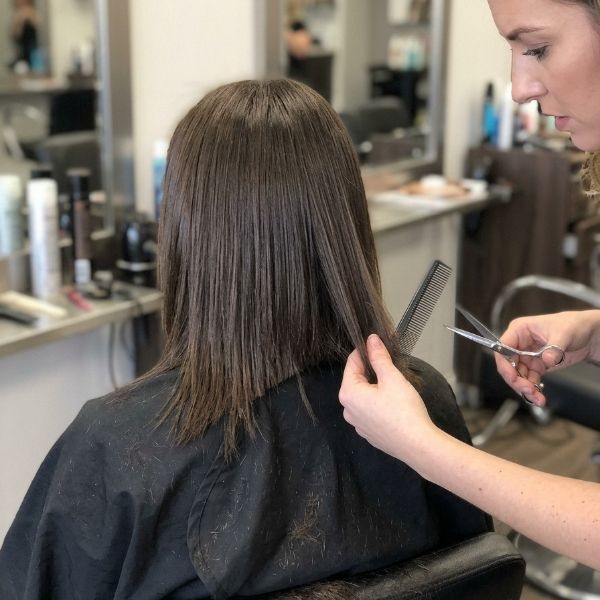
A mid taper looks best when it is fresh, and most people notice the sides growing out within three to four weeks. The fringe can wait longer, but the neckline and temples show wear first.
Plan a routine like this:
- Every 3 to 4 weeks: tidy the taper and neckline.
- Every 6 to 8 weeks: reshape the fringe and refresh the texture.
- Weekly: wash with shampoo suited to your scalp, and condition if your hair is dry.
The blunt-line problem shows up in two places:
- A blunt fringe: if the front is cut straight across, it looks heavy and flat, like a shelf on the forehead. Ask for point cutting so the edge breaks up.
- A blunt transition: if the taper meets the top at a hard, visible line, the cut looks disconnected. Ask for the taper to be blended into the top.
If you spot either issue after the cut, go back and ask for a quick fix. Most barbers will do it.
Professional Styling Reference
Keep this card handy for your next appointment and your morning routine.
Read more: High Taper Fade: 5 Best Styles & Complete Barber Guide
Quick Reference Card
- Cut: mid taper from the temple, #1 or #2 at the bottom.
- Top: 2 to 4 inches, point cut.
- Fringe: mid-forehead to just above the brow.
- Neckline: tapered for a natural look, blocked for a sharper one.
- Products: sea salt spray, matte clay or paste, texturizing powder.
- Tools: hair dryer, wide-tooth comb, and fingers.
Frequently Asked Questions
What is a mid taper fade with textured fringe?
It is a haircut with sides that taper from the temple down, paired with a longer, choppy fringe on top.
Is a mid taper fade with textured fringe good for thick hair?
Yes, especially if your barber removes weight from the inside so the fringe moves.
How often should I get my mid taper touched up?
Every three to four weeks keeps the sides and neckline clean.
What products work best for a textured fringe?
Matte clay, paste, sea salt spray, and texturizing powder give hold without shine.
Does this haircut work on straight hair?
Yes, but the barber needs to cut texture in, and you will need a texturizing spray.
What is the difference between a taper and a fade?
A taper shortens gradually and keeps some length at the bottom, while a fade usually goes down to skin and looks sharper.
Can I get a textured fringe with a receding hairline?
Yes, a longer fringe brushed forward can soften the hairline.
Conclusion
A mid taper fade with textured fringe works because it balances structure and ease. The taper keeps the sides clean, and the fringe adds movement on top. Bring three photos, ask for specific lengths, avoid blunt lines, and style with a matte product.
Get the details right at the barber chair, and the daily routine takes care of itself.

Reyansh is an experienced fashion writer with 6+ years of writing experience, passionate about fashion trends, styling ideas, and modern looks. He creates simple, engaging content that helps readers discover their personal style with confidence.