


A mid taper fade mullet keeps the sides clean and short while leaving real length at the back. That contrast is the whole appeal. It looks sharp, feels relaxed, and works on straight, wavy, and curly hair.
This guide covers eight styles, the guard numbers to ask for, and how to match the cut to your hair type, face shape, and age. You will also find a maintenance plan and the mistakes that ruin the shape.
Mid Taper Fade Mullet Explained: What Makes This Combo Work
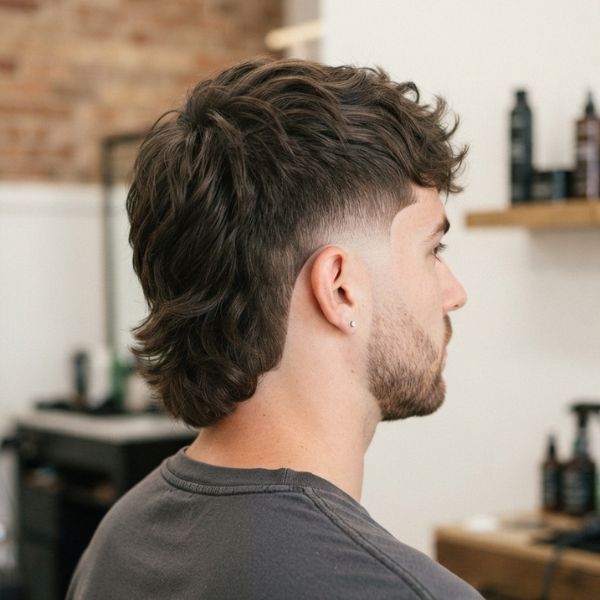
A mid taper fade mullet is a haircut with short, blended sides that start fading at the temple and a longer back that keeps its length. The taper sits at mid height, around the top of the ear. The top and nape are left longer, so the cut has a clear “short in front, long in back” shape.
Three parts make it work:
- The taper: The sides step down gradually, so there is no harsh line.
- The length: The back is left alone or lightly layered.
- The blend: A good barber connects the two so the transition looks intentional.
A regular mid taper trims the back to match the sides. A mullet version does not. That one difference changes the whole silhouette.
Why It’s Everywhere in 2026
The old mullet was bold and a little messy. The modern version is cleaner, and the taper is why. It gives a retro shape a tidy base, so it reads as styled rather than accidental.
Three things keep it popular:
- Social media: Short videos show the before and after of a blend, and the cut photographs well from every angle.
- Flexibility: You can wear it subtle or loud by changing the top and back.
- Texture trends: Scissor-cut layers and natural movement suit today’s looser styling.
Pros and Cons: What You’re Signing Up For
Pros
- A distinctive shape that stands out
- Works with most hair types
- The taper keeps the sides easy to manage
- Can be dressed up or down
- Looks good with or without a beard
Cons
- Some workplaces may find it too bold
- You need enough length at the back
- Growing out the back takes patience
- A poor blend looks unfinished
- It needs a skilled barber
8 Best Mid Taper Fade Mullet Styles
Classic Cuts: The Everyday Options
1. Classic Mid Taper Mullet

This is the safest place to start. The sides taper at mid height, the top stays medium length, and the back sits just past the collar. Style it with a little matte pomade for a natural finish. It suits nearly every hair type and is easy to explain to a barber.
2. Wavy Mid Taper Mullet

Waves add movement without much effort. The taper keeps the sides tidy while the waves at the back and top do the talking. Use a light cream on damp hair and air dry. Avoid heavy gel, which flattens the wave pattern.
3. Curly Mid Taper Mullet
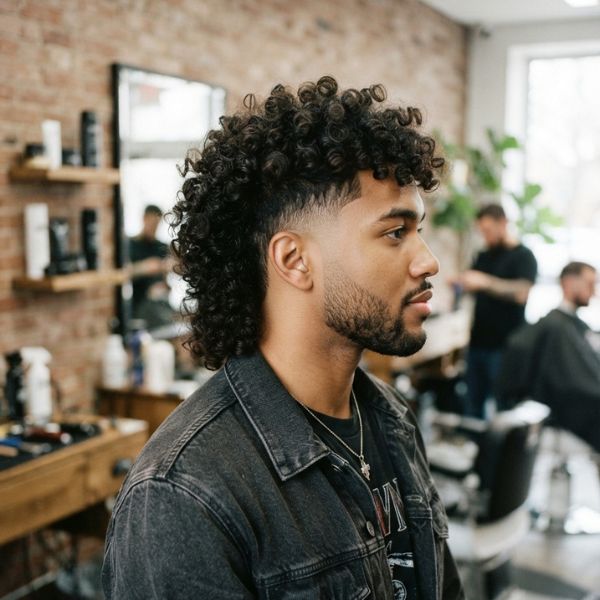
Curls and a taper are a strong match. The clean sides show off the curl pattern on top and at the back. Ask your barber to leave weight in the curls so they keep their shape. A diffuser and a curl cream reduce frizz.
Textured Cuts: More Movement, More Attitude
4. Textured Mid Taper Mullet
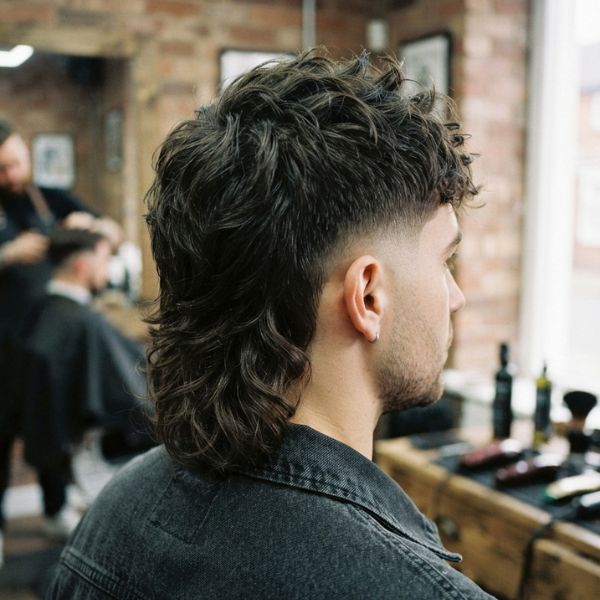
Here the top is cut with choppy layers for a lived-in look. It works best on medium to thick hair. Finish with texture clay or sea salt spray, and rough dry it with your fingers. This version hides small styling mistakes well.
5. Shaggy Mid Taper Mullet

Shaggy layers give a looser, more rebellious feel. The back is cut in uneven layers that blend into the taper. It borrows from the wolf cut, but the clean sides keep it sharper. Expect more time to style it than the classic version.
Detail Work: Built for Barbers Who Cut
6. Mid Taper Mullet with Scissorwork
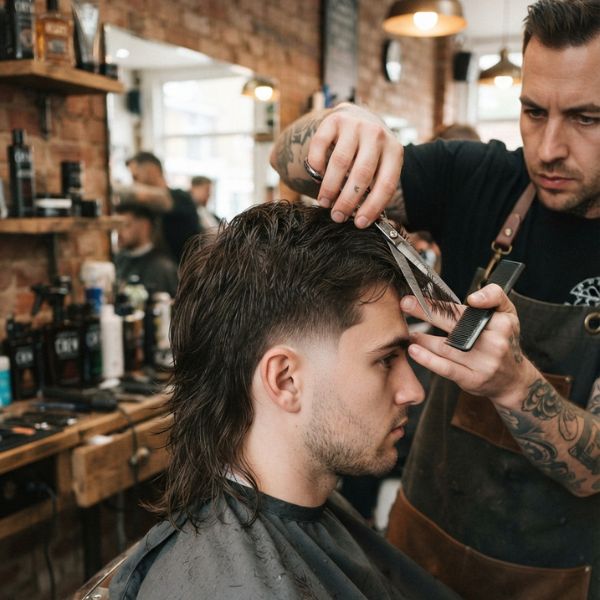
Scissor cutting replaces clipper work on the top and back. It creates soft, natural layers and a smoother blend into the taper. This style depends on the barber’s skill, so look at their portfolio first. The result grows out more gracefully than a clipper-heavy cut.
7. Mid Taper Mullet with Fringe

A short or textured fringe frames the face and softens the forehead. It pairs well with a French crop style front. Choose a blunt fringe for a bolder look or a broken, choppy one for a relaxed feel. It also helps balance a longer face.
Business-Friendly Versions
8. Business Mid Taper Mullet

This is the toned-down version. The back is kept shorter, often to the nape or just below, and the top is neatly combed or side swept. A clean neckline and a bit of pomade make it look polished. It is the best pick if you want a mullet that works in an office.
Choosing by Hair Type: What Actually Holds the Shape
Straight Hair

Straight hair shows every line, so the blend matters most. Ask for texture on top to avoid a flat, heavy look. Use a light styling cream or matte paste for hold.
Wavy Hair

Wavy hair is the easiest to work with. It gives natural volume and movement at the back. Keep products light so the waves stay soft.
Curly Hair

Ask for a low to mid taper rather than a skin fade, and keep weight in the curls. Do not cut curls dry with clippers on top. Moisture is key to controlling frizz.
Thick Hair
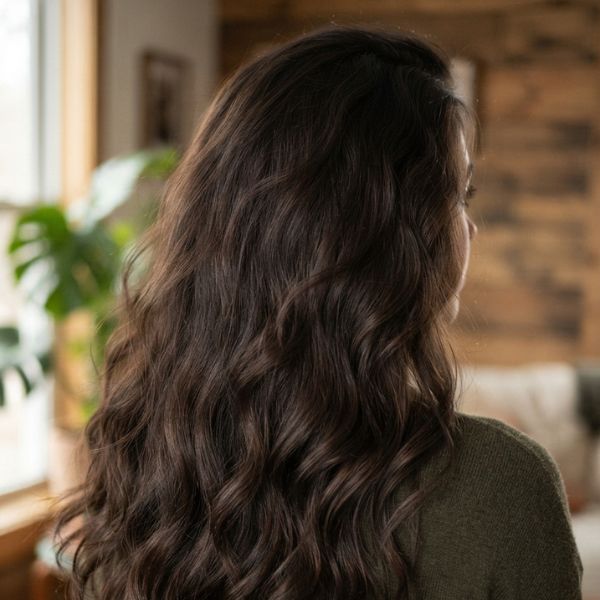
Thick hair needs thinning or layering, or the back will puff out. A barber can remove weight with texturizing shears. Without that step, the mullet can look bulky.
Read more: 18 Best Mid Taper Fade Black Male Styles (2026)
Face Shape Matchups
- Oval Face: Almost any version works. The classic mid taper mullet is a safe bet.
- Round Face: Choose a textured top with height and a slightly longer back to add length.
- Square Face: Soft waves or a shaggy top soften strong angles.
- Heart-Shaped Face: A side fringe balances a wider forehead, and a fuller back adds weight below.
- Long Face: A fringe and a shorter top reduce the look of length. A mid taper mullet suits this shape well.
- Diamond Face: Add fullness at the forehead with a fringe or textured front.
- Rectangular Face: Keep the sides a little fuller and avoid too much height on top.
Age Group Breakdown
Teenagers
Teens can go bolder, with shaggy layers, longer backs, and visible texture. Keep it manageable for school rules and daily styling.
Young Men
This group can wear any of the eight styles. Textured and scissor-cut versions are the most popular, and they take styling products well.
Professional Men
Choose the business version with a shorter back and a tidy finish. A clean neckline and soft styling keep the look polished.
Talking to Your Barber: The Exact Guard Numbers
Clear instructions prevent most bad haircuts. Guard numbers vary slightly by barber and clipper brand, so use these as a starting point:
- Bottom of the sides: Start with a #1 or #1.5 guard near the neckline.
- Mid section: Blend up through #2 and #3 around the ear.
- Taper line: The fade should end around the temple and top of the ear.
- Top and back: Leave with scissors, not clippers.
- Neckline: Ask for a natural or softly rounded shape, not a hard square.
Say this: “I want a mid taper on the sides, blended into length at the back. Keep the nape long and leave weight in the back.” Bring a photo. It removes guesswork.
Video Guide: Watch the Blend in Action
Watching a barber cut this style helps you see the blend take shape. When you search for a tutorial, look for these moments:
- How the barber lifts the hair before the guard change
- How the taper connects to the length at the back
- How scissors are used to soften the transition
Search for “mid taper mullet tutorial” and pick a video from a working barber who shows the cut from several angles.
Read more: 20 Best Mid Taper Fade Haircuts for Straight Hair (2026)
Common Mistakes That Ruin a Mid Taper Mullet
- Taper too high: It turns into a high fade and loses the mid look.
- Cutting the back too short: The mullet shape disappears.
- Skipping the blend: Hard lines make the cut look unfinished.
- Overloading products: Heavy wax or gel makes the back look greasy.
- Ignoring hair type: Curly and thick hair need a different cut than straight hair.
- Waiting too long between trims: The taper grows out fast.
Maintenance Reality Check
Taper Touch-Up Frequency
Book a touch-up every 2 to 4 weeks. The taper is the first part to look untidy as it grows.
Back Section Care
Trim the back only every 6 to 8 weeks to keep it healthy. Ask for a light dusting of the ends to prevent split ends.
Daily Styling
A few minutes is enough for most versions. Blow dry the top, add a small amount of product, and finish with your fingers.
Washing Routine
Wash two to three times a week. Curly and dry hair benefit from less frequent washing and a good conditioner.
Mullet vs Standard Mid Taper
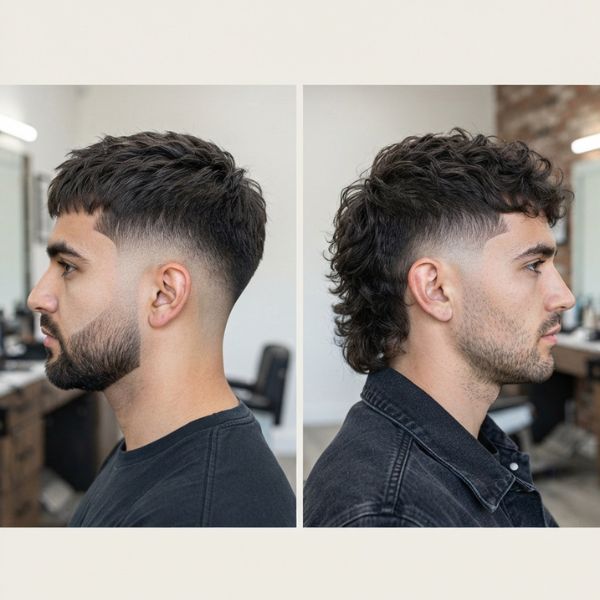
A standard mid taper shortens the back to match the sides. The mullet keeps the back long, so it needs more care and more patience.
Mullet vs Wolf Cut

The wolf cut has heavy layering all over and no fade. The mid taper fade mullet has clean sides and a longer back.
Mullet vs Flow Cut
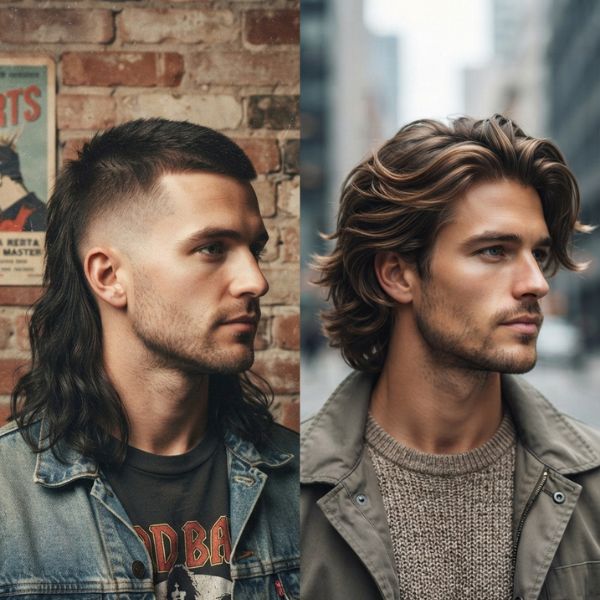
A flow cut is longer all around and swept back. The mullet has a clear contrast between short sides and long back.
Read more: 17 Best Mid Taper Fade Curly Hair Styles [2026 Care Guide]
Frequently Asked Questions
What is a mid taper fade mullet?
It is a haircut with mid-height tapered sides and longer hair at the back. The contrast between the two is what defines it.
How long should my hair be for a mid taper mullet?
Aim for at least 3 to 4 inches at the back and top. That gives your barber enough hair to shape.
What guard number should I ask for?
Start with a #1 or #1.5 at the bottom and blend up through #2 and #3. Your barber can adjust for your head shape.
Is a mid taper mullet professional?
Yes, if you keep the back shorter and the styling neat. The business version is designed for this.
How often should I get a touch-up?
Every 2 to 4 weeks keeps the taper sharp. The back can wait longer.
Does it work on curly hair?
Yes. Choose a low to mid taper and leave weight in the curls for the best shape.
How long does it take to grow out a mullet?
Most men need 3 to 6 months, depending on hair growth speed and starting length.
Can I get this cut with thin hair?
Yes, but keep the layers light. Too much thinning can make the back look sparse.
About the Author
[Add your name, role, and real experience here. For example: “Written by [Name], a barber or grooming writer with X years of experience in men’s hairstyling.” Real credentials strengthen trust signals for Google and AI search.]
Conclusion
The mid taper fade mullet works because it balances clean and casual in one cut. The taper keeps the sides sharp, and the length at the back keeps things interesting.
Pick the style that fits your hair type, face shape, and lifestyle. Bring clear guard numbers and a reference photo to your barber. Then keep up with regular touch-ups and simple styling to keep the shape looking fresh.
If you are unsure where to start, go with the classic version. You can always add texture, layers, or a fringe later.

Reyansh is an experienced fashion writer with 6+ years of writing experience, passionate about fashion trends, styling ideas, and modern looks. He creates simple, engaging content that helps readers discover their personal style with confidence.